📑 Table of Contents (11 sections) — Tap to expand
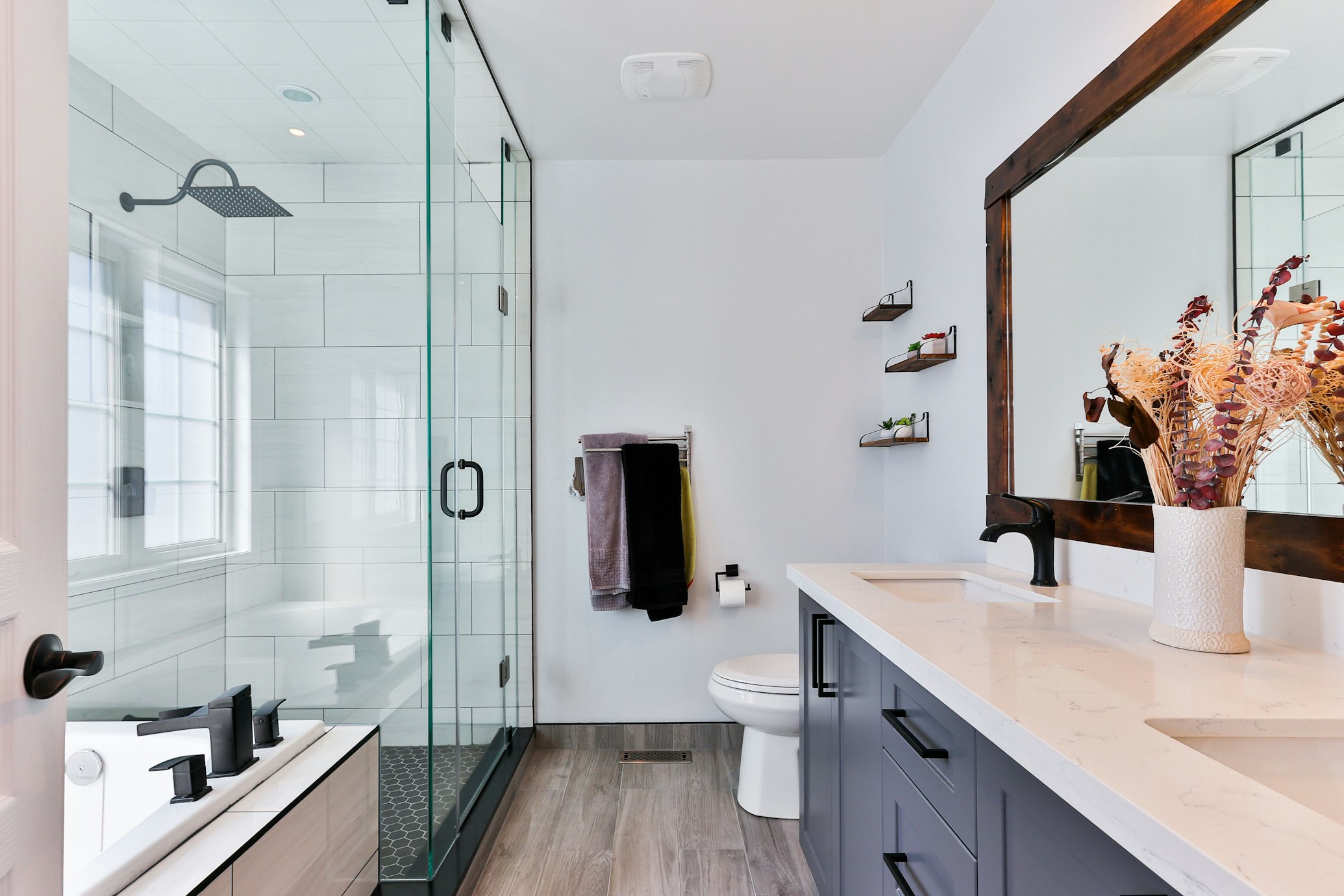
Your chrome bathroom faucet has developed an ugly, stone-hard crust of white and greenish-yellow buildup around the spout. Your transparent shower glass partition looks permanently foggy and frosted with water drip streaks no matter how many times you wipe it down with glass cleaner. Your glazed bathroom tiles and grout lines around the shower area feel rough and chalky.
This chalky buildup is hard water mineral scaling (limescale), and it is a universal frustration across Indian metro apartments. The biggest mistake homeowners make is aggressively scrubbing with harsh caustic detergents or wire wool — which scratches expensive chrome plating without dissolving the mineral deposit. Because limescale is alkaline calcium carbonate, you need a mild, controlled acid like white vinegar or citric acid (*nimbu ka phool*) to break down the chemical bond safely in under 30 minutes.
Why Hard Water Scaling Is So Persistent in Indian Homes
Understanding the chemistry of Indian municipal and groundwater supply explains why soap alone fails:
- High Total Dissolved Solids (TDS) in tanker & borewell water: Groundwater across Indian cities (especially Bangalore, Chennai, Delhi-NCR, and Jaipur) contains heavy concentrations of dissolved calcium and magnesium bicarbonate salts (often 600–1,500+ ppm TDS).
- Evaporative mineral concentration: Every time hot water splatters onto taps, tiles, or shower glass and evaporates under the ceiling fan, dissolved mineral salts crystallize behind. Over months, these microscopic crystals fuse into an impermeable rock-hard limestone crust.
- Soaps cannot dissolve mineral salts: Soaps and alkaline floor cleaners are chemically incapable of dissolving calcium carbonates. In fact, soap fats react with hard water calcium to form insoluble "soap scum," adding a greasy film over the mineral crust.
- Restricted water pressure in aerator mesh: When limescale accumulates inside the aerator mesh screen at the tip of your tap spout, water flow drops to a sputtering trickle.
What You Will Need
Gather these gentle, natural descaling ingredients and cleaning tools:
- White synthetic vinegar (5% to 8% acetic acid): The safe, universal descaling acid for chrome, ceramic tiles, and glass
- Food-grade citric acid crystals (*Nimbu ka Phool* / Tartaric acid): Inexpensive booster powder available at any local kirana shop
- Old soft-bristle toothbrush & nylon grout brush: For scrubbing aerator grooves and tile seams without scratching metal
- Non-abrasive cellulose sponge / white scrubbing pad: Safe for glazed ceramics and tempered glass
- Cotton cleaning rags or paper kitchen towels: For the "Vinegar-Wrap" tap soaking technique
- Adjustable trigger spray bottle: For misting tile walls and glass doors
- Heavy-duty rubber cleaning gloves: To protect skin during extended descaling sessions
- Ultra-fine microfiber polishing cloth: For streak-free, mirror-shine drying
- Plastic mixing bowl or bucket
⚠️ Safety & Surface Protection Warnings: Read Before Descaling
- NEVER mix vinegar or citric acid with chlorine bleach (Domex / Ala): Combining acidic descalers with hypochlorite bleach releases lethal chlorine and chloramine gas. Always use vinegar on its own and rinse thoroughly with fresh water.
- NEVER use vinegar or acids on natural Italian marble or granite: Natural marble and limestone contain calcium carbonate. Acid will chemically dissolve (*etch*) the stone surface within seconds, leaving permanent dull, rough chalky burn patches.
- Test on modern matte black or antique brass tap finishes first: Electroplated chrome is 100% acid-safe, but trendy PVD matte black or rose gold faucet finishes can react. Spot-test an inconspicuous underside area with diluted vinegar for 5 minutes first.
- Always wear rubber gloves and run the bathroom exhaust fan: Concentrated warm vinegar fumes can irritate eyes and airways in enclosed, unventilated shower cubicles.
- Never use steel wire scrubbers (*bartan wala juna*) on chrome fittings: Metal scouring pads strip the microscopic 0.3-micron chrome plating off brass fixtures, causing irreversible rusting.
Step-by-Step Practical Execution Guide
Part A: Descaling Taps & Shower Heads (The Vinegar-Wrap Method)
- Prepare the Supercharged Descaling Solution: In a bowl, mix 1 cup of warm white vinegar with 1 tablespoon of citric acid powder until completely dissolved.
- Soak Cotton Rags or Paper Towels: Submerge your cotton cleaning cloth strips into the warm acidic solution until dripping wet.
- Wrap the Faucet Completely: Wrap the soaked cloth tightly around the crusty tap spout, base flange, and handle joints. Secure the wrap with a rubber band so it maintains continuous wet contact with the mineral crust.
- Allow Dwell Time (30 to 60 Minutes): Let the acid sit undisturbed for 30 minutes (or up to 2 hours for thick, hardened buildup). You will hear faint fizzing as the acid dissolves calcium carbonate into soluble calcium acetate.
- Gentle Toothbrush Scrubbing: Unwrap the tap. The softened chalky buildup will look like wet mush. Scrub gently with an old toothbrush along seams and crevices.
- Descale the Aerator Screen: Unscrew the mesh aerator at the tip of the spout by hand (or with pliers padded with a cloth). Submerge the aerator in a small bowl of pure vinegar for 20 minutes, brush away dislodged sand/lime crystals, and screw it back on to restore full water flow.
- Rinse and Microfiber Polish: Rinse the entire tap with cold tap water and buff dry immediately with a clean microfiber cloth for a showroom mirror shine.
Part B: Descaling Bathroom Ceramic Tiles & Grout Lines
- Mix the Tile Spray: Mix equal parts white vinegar and hot water in your spray bottle (add 1 teaspoon of liquid dish soap to help the solution cling to vertical wall tiles).
- Spray Generously: Mist the solution liberally over the dull, chalky tile walls, especially the lower 3 feet near the shower drain where water pools.
- Let Sit for 15–20 Minutes: Allow the acidic mist to penetrate the grout lines and soften crystalline deposits.
- Scrub with Non-Abrasive Sponge: Scrub tiles in circular motions using the blue/white non-scratch side of a sponge. Use the stiff toothbrush for grout joints.
- Rinse with the Hand Shower: Wash away all dissolved mineral slurry with warm shower water. Wipe the tiles dry with a squeegee.
Part C: Restoring Clear, Fog-Free Shower Glass Partitions
- Spray Undiluted White Vinegar: Spray pure white vinegar evenly across the clouded glass partition from top to bottom.
- Short Dwell Time (5–10 Minutes): Glass scale is usually a thin surface haze that dissolves rapidly.
- Wipe in S-Patterns: Wipe down smoothly with a soft sponge (never use abrasive pads on glass, which create microscopic scratches that attract future scale).
- Rinse and Squeegee Dry: Rinse with clean water and immediately pull a rubber-bladed shower squeegee down the glass in straight vertical strokes, wiping the rubber blade with a dry rag after each pass.
Troubleshooting Common Mistakes
- "The white crust did not come off after scrubbing."
You sprayed vinegar and wiped it off too fast. Limescale cannot dissolve in 10 seconds — it requires 30–60 minutes of continuous wet contact via the **soaking cloth wrap technique**. - "The shower glass still has faint water droplets etched into the surface."
Years of severe hard water exposure can cause chemical silica etching into the glass itself. For deeply etched glass, apply a specialized glass cerium oxide polishing compound or repeat the vinegar treatment 3 times across a weekend. - "Vinegar made my marble counter look dull and discolored."
Marble was etched by the acid. Stop using vinegar immediately. The shine can only be restored using a mechanical diamond-grit marble polishing powder pad (*5X stone polishing compound*). - "Hard water scaling returns every 2 weeks."
This is normal with 800+ TDS borewell water. Adopt the **30-Second Squeegee Habit**: keep a ₹150 rubber squeegee in the shower and wipe down glass and tap surfaces for 30 seconds after your morning bath. This prevents water droplets from evaporating and leaving minerals behind. - "The tap spout water sprays sideways in wild directions."
Mineral crystals are clogging the tiny plastic aerator nozzles. Unscrew the aerator cartridge, soak in citric acid solution, and poke clear with a safety pin.
When to Call a Professional Plumber Instead
While surface limescale removal is a beginner-friendly DIY task, hire a professional plumbing expert if:
- Mineral scaling has completely seized the internal ceramic disc cartridges or diverter valves inside concealed wall mixers (*Jaquar / Kohler / Grohe*), requiring cartridge replacement.
- You want to install a **central automatic ion-exchange water softener** or inline polyphosphate scale inhibitor for your entire flat or villa.
- Concealed CPVC hot water lines from your geyser have heavy internal calcification choking household water pressure.
Wrapping Up
Hard water scaling doesn't require expensive toxic chemicals or destructive steel scrubbers. By leveraging warm vinegar wraps and citric acid dwell time, you can dissolve years of stubborn limescale crust from taps, tiles, and shower glass in a single afternoon, restoring brilliant sparkle and full water pressure to your bathroom.
To keep your bathroom and home running smoothly, explore our companion guides on how to fix a continuously running flush tank, cleaning and replacing RO water filters at home, replacing a leaking health faucet jet spray, and unclogging bathroom drains with household items.
Need a Master Plumber for Concealed Mixer Cartridges, Whole-House Softeners, or Tap Replacements?
If your bathroom fittings have severe internal calcification, leaky wall diverters, or you want whole-home water softening systems installed with warranty protection, Carpenterwala connects you with certified plumbing professionals across Bangalore in Whitefield, Koramangala, Indiranagar, and HSR Layout.

Suresh Gowda
Verified SpecialistSenior Plumbing Engineer & Hydraulics Advisor
Expert in high-pressure leak detection, municipal water lines, and residential plumbing diagnostics in South India.
⚖️ DIY vs. Hiring a Professional: When to Call an Expert
✓ Safe to DIY
- Minor screw tightening or loose hinge lubrication
- Basic component replacement with matching dimensions
- Routine surface touch-ups and non-structural adjustments
⚠️ Hire a Verified Pro
- Structural woodwork warping, masonry drilling, or rotted frames
- High electrical voltages, MCB trips, or water line pipe bursts
- Multi-room installations requiring specialized power equipment
💬 Comments (0)